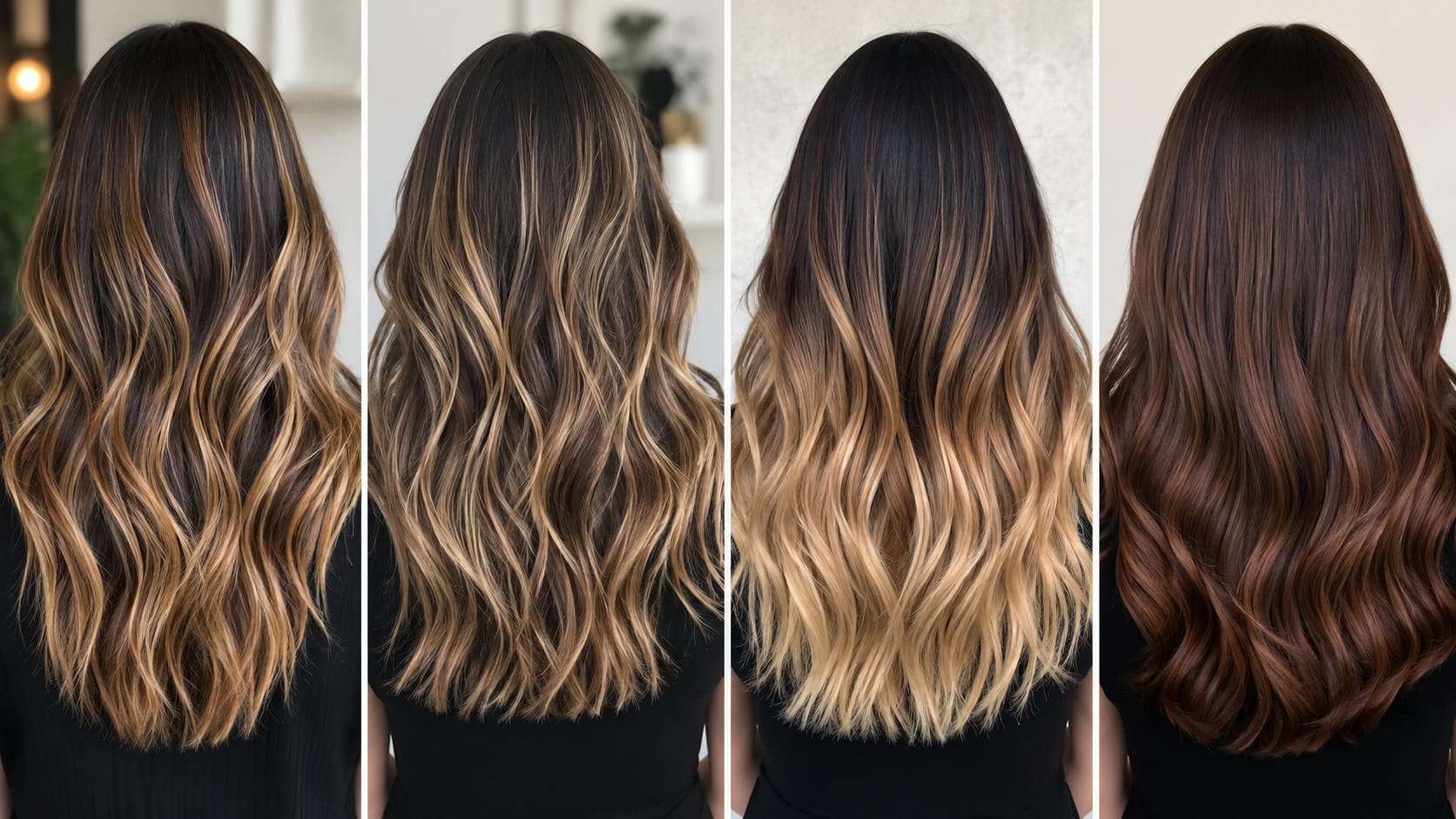
Choosing a hair colour service can be confusing when several options seem similar at first. Balayage, highlights, ombré, and full hair colour can all change the way your hair looks, but they do not create the same result.
The right choice depends on your natural hair colour, your current colour, how much change you want, how often you want to maintain it, and the kind of finish you prefer. Some services create soft dimension. Some create brighter contrast. Others give a complete colour change from roots to ends.
Here is a simple guide to help you understand the difference before booking your appointment.
Balayage
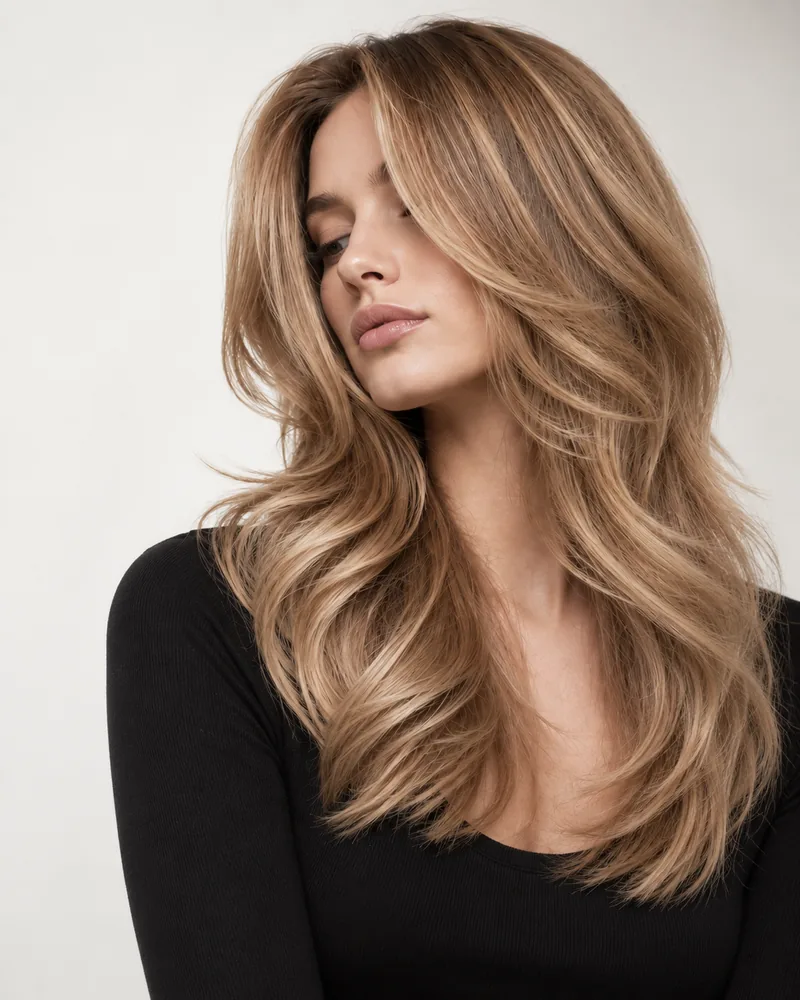
Balayage is a colouring technique used to create a soft, natural-looking blend. The colour is usually painted by hand onto selected sections of the hair, often with a lighter effect through the mid-lengths and ends.
The result is usually softer than traditional highlights. Balayage often gives the hair a sun-kissed effect, with brightness that blends into the natural base colour instead of starting sharply at the roots.
Balayage is a good choice if you want dimension, movement, and brightness without a very obvious grow-out line. It can work well for clients who want a polished colour that still feels natural and soft.
Balayage may be right for you if you want:
- A natural, blended result
- Soft brightness around the face and ends
Lower-maintenance colour compared with stronger root-to-end changes - Dimension without changing your entire hair colour
- A softer grow-out between salon visits
Balayage is especially popular for clients who want a visible change, but do not want their hair colour to look too uniform or too high-contrast.
Highlights
Highlights are lighter sections of hair placed throughout the head or in specific areas. They are often done with foils, which helps create more controlled brightness and separation.
Compared with balayage, highlights can look more defined. They can be subtle or bold depending on the placement, tone, and contrast with your natural colour.
Highlights are a good choice if you want your hair to look noticeably brighter overall, especially near the roots. They can add dimension, lift the colour, and make the hair look lighter without doing one solid colour from roots to ends.
Highlights may be right for you if you want:
- More visible brightness
- A lighter overall look
- Dimension from the roots through the ends
- A more structured colour result
- Blonde, caramel, or lighter tones placed throughout the hair
Highlights can be soft and natural, but they can also be more noticeable than balayage. The final look depends on how fine or bold the sections are, how many highlights are added, and how much contrast you want.
Ombré
Ombré is a colour effect where the hair gradually changes from darker roots to lighter ends. The difference between the top and bottom of the hair is usually more noticeable than with balayage.
The roots often stay close to the natural colour, while the ends are lightened or coloured for a stronger contrast. The transition can be soft or dramatic, depending on the desired result.
Ombré is a good choice if you want a more visible colour change, but do not necessarily want colour starting directly at the roots. It can create a modern, bold, and stylish look, especially on medium to long hair.
Ombré may be right for you if you want:
- Darker roots and lighter ends
- A stronger colour contrast
- A more noticeable transformation
- Less root maintenance than full colour
- A modern colour effect with visible transition
Ombré is not the same as balayage. Balayage is usually softer and more blended throughout the hair. Ombré is more focused on the transition from dark at the top to light at the ends.
Full Hair Colour
Full hair colour means colouring the hair more evenly from roots to ends. This service is usually chosen when you want an overall colour change, to refresh faded colour, darken the hair, cover grey hair, or create a more uniform result.
Unlike balayage, highlights, or ombré, full hair colour does not focus mainly on dimension or contrast. The goal is usually a complete colour result across the whole head.
Full hair colour can be natural, rich, subtle, or more dramatic depending on the shade you choose. It can be used to go darker, refresh brown or red tones, add shine, or create a clean all-over colour.
Full hair colour may be right for you if you want:
- One consistent colour from roots to ends
- Grey coverage
- A darker or richer shade
- A full refresh of faded colour
- A cleaner, more uniform result
Full hair colour usually needs more regular maintenance when the roots grow in, especially if the new colour is very different from your natural colour.
Which Hair Colour Service Should You Choose?
The best choice depends on the result you want.
If you want a soft, natural, blended look, balayage is often a good option. It adds brightness and dimension without making the colour look too sharp or uniform.
If you want more noticeable brightness throughout the hair, highlights may be a better choice. They can create a lighter overall look and can be placed close to the roots.
If you want a stronger contrast with darker roots and lighter ends, ombré may be the right service. It creates a more visible colour effect and works especially well when you want the ends to stand out.
If you want one overall colour, grey coverage, or a full change of shade, full hair colour is usually the better option. It gives a more even result across the whole head.
Maintenance and Grow-Out
Maintenance is also important when choosing a colour service.
Balayage often grows out more softly because the colour is blended and does not usually start as sharply at the roots. Highlights may need more regular touch-ups, especially if they are placed close to the scalp or if there is strong contrast with your natural colour.
Ombré can be easier to maintain at the roots because the top of the hair often stays darker. Full hair colour usually needs root touch-ups more regularly if your natural roots are different from the colour applied.
Your stylist can help you choose a colour option that matches not only the look you want, but also the amount of maintenance you are comfortable with.
Hair Condition Matters
Before choosing any colour service, it is important to consider the condition of your hair.
If your hair is dry, fragile, previously lightened, or colour-treated, the colour plan may need to be adjusted. Some results may take more than one appointment, especially if you want to go much lighter or correct old colour.
A good consultation helps avoid unrealistic expectations and protects the health of your hair. The best colour is not only about the shade. It also needs to work with your hair texture, history, and condition.
Final Thoughts
Balayage, highlights, ombré, and full hair colour each create a different effect.
Balayage gives a soft, blended look. Highlights add brighter pieces and more visible dimension. Ombré creates a darker-to-lighter transition. Full hair colour gives a more even colour result from roots to ends.
At Slij hair salon, we help clients choose the colour service that fits their hair, style, and maintenance preferences. Whether you want a subtle refresh or a more noticeable change, the goal is to create a colour that looks good, feels natural, and works for your everyday routine.
Book an appointment to discuss the best hair colour option for your hair.